


We've crossed the midpoint of 2025.
For project leaders in the data center sector, this may feel like an impossible moment to hit pause. Half the year is already behind us, and the pressure to deliver is only intensifying. But that's precisely why now is the right time to ask yourself a critical question: Are we set up to finish strong?
Are your projects truly on track? Or are they watermelons?
That's the metaphor I discussed recently on JSA TV during Datacloud Global Congress in Cannes: projects that appear green on the outside but are red on the inside.

It's a familiar story. Dashboards say "on time." Reports stay optimistic. Then, just weeks before go-live, delays surface, costs spiral, and the gap between expectations and reality becomes undeniable. This isn't a project management glitch. It's a systemic reporting failure. And it's preventable.
Foresight’s predictive project delivery platform was built to solve this challenge. It gives teams the tools to detect risks earlier, report faster, and stay aligned from the boardroom to the jobsite.
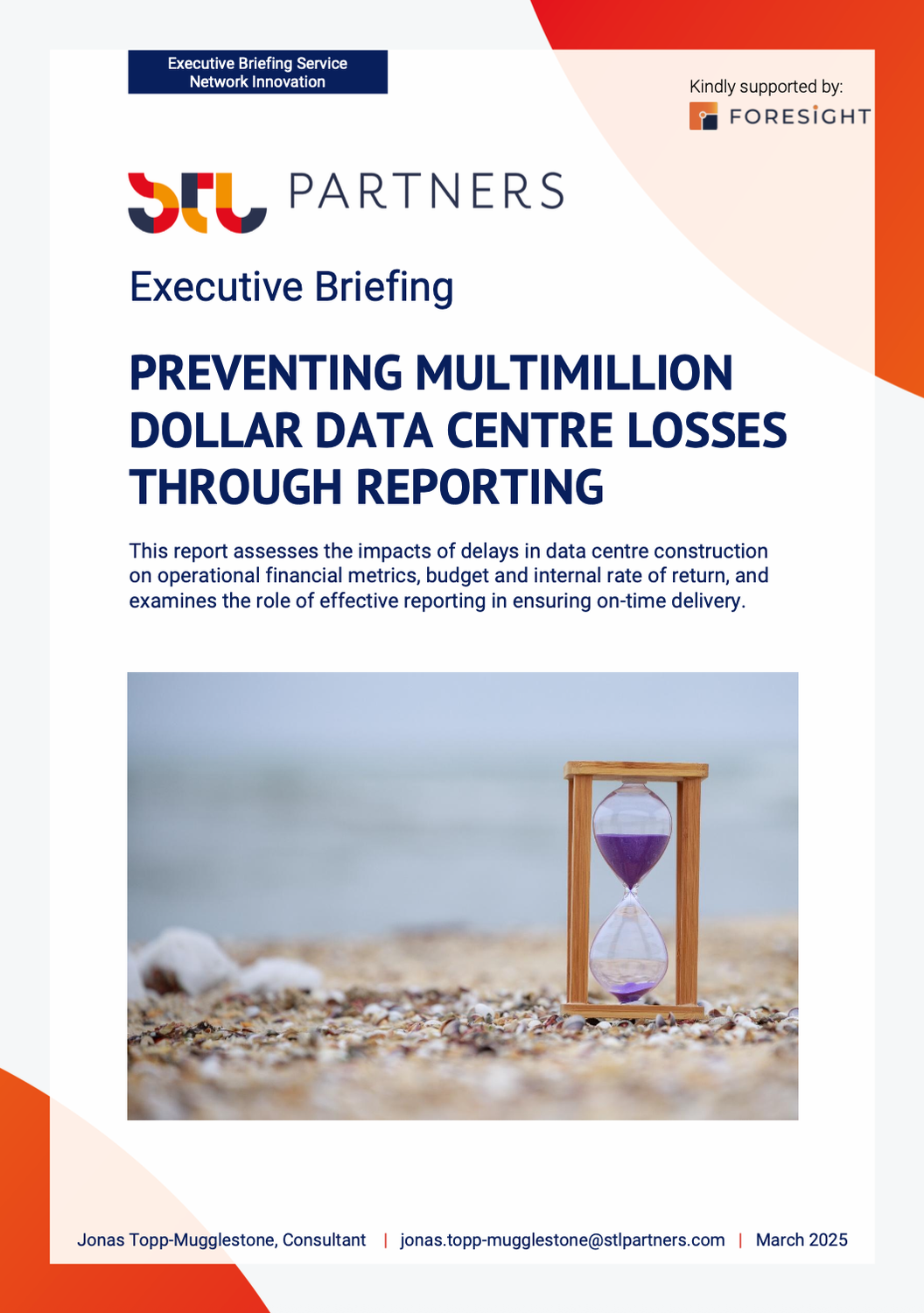
At Foresight, we've spent years studying this Watermelon Problem. Together with STL Partners, we published new research that reveals just how high the stakes really are.
- A one-month delay on a 60MW data center project can cost the owner $14.2 million in direct losses.
- A three-month slip? It can reduce a project’s internal rate of return (IRR) from 17.1% to 12.6% over 10 years.
- Beyond direct costs, delays also erode trust, reputation, and future opportunities—potentially costing up to $1 million per MW in lost pipeline value.
The underlying issue in each case? A lack of timely, transparent reporting. The STL research points to a clear solution: reporting that enables early risk visibility, faster decision-making, and tighter alignment from site teams to executives.
You can download the full white paper here:
📘 Preventing Multimillion-Dollar Data Centre Losses Through Reporting
So, what does better reporting actually look like in practice? And how can project teams turn status meetings from reactive updates into proactive decision points? Because too often I hear from executives and project directors alike, that they’re flying blind, but they don’t have to be.
This article explores how high-performing teams are moving beyond spreadsheet chaos and manual workarounds. It outlines practical steps to create reporting that reveals real risks, enables timely action, and keeps stakeholders aligned throughout the build – avoiding those watermelon projects.
👉 How Reporting Turns Your Weekly Status Meeting from a Data Treasure Hunt into a Strategic Advantage
This focus on visibility and alignment is something we heard echoed in conversations at Datacloud Global Congress. There was a growing awareness that improving project delivery requires more than speed. It requires early insight, reliable data, and the ability to act before problems escalate.
We were honored to exhibit and speak at Datacloud this month and to connect with so many leaders shaping the future of digital infrastructure. A heartfelt congratulations to all the 2025 Datacloud Award winners! Your innovation and execution are raising the bar across the industry. At Foresight, we're proud to support several of the teams behind those award-winning builds by providing the predictive project delivery platform that helps them stay on schedule and lead with confidence.
If we missed you at Datacloud, we’d still love to connect. Get in touch with us here.

This is the moment to refocus.
The second half of the year offers a critical opportunity to shift from reactive reporting to proactive control and to prevent problems before they surface. Whether your schedule looks green or is already showing signs of red, the key is knowing where you stand.
The most effective teams we work with are doing three things right now:
- Interrogating their greens. What looks on track may just be a watermelon in disguise.
- Accelerating reporting. If you can't see risk in real time, you can't respond in time.
- Creating executive visibility. Smart schedules shouldn't sit in silos—they should inform boardroom decisions.
If you're ready to bring this level of clarity to your projects, we'd be happy to show you how.
📅 Schedule a complimentary demo with Foresight
Let's make the second half of 2025 count.
This article is part of a thought leadership series by Dr. Atif Ansar. Subscribe to receive future posts. Read last month’s article here.